
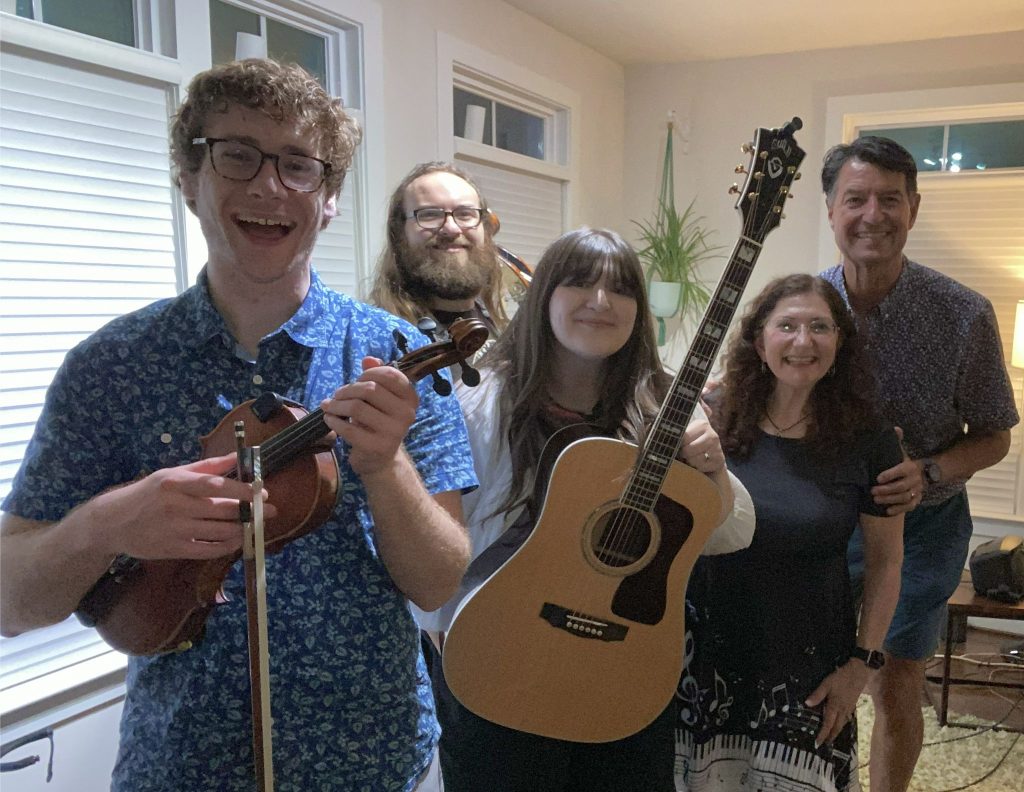
Hear the stories behind the songs!
Warm the Room with Shoeless Sounds is the house concert podcast that brings you into the living rooms, road trips, and late‑night writing sessions of the musicians we love. If you’ve ever sat in a small room and felt a song change the air, this podcast is for you.
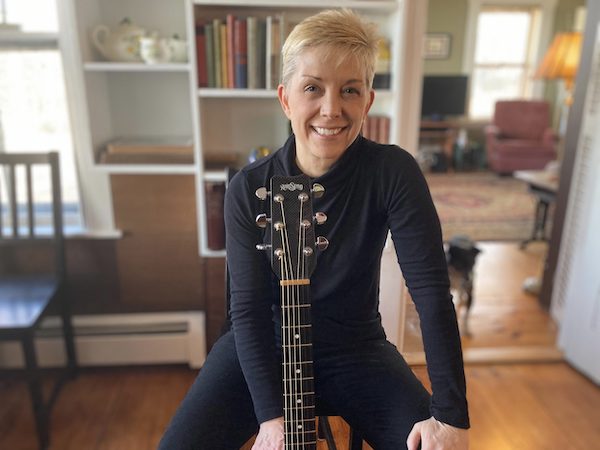
Episode 4: Erin Ash Sullivan – Stories that Sing: Songwriting, Storytelling, and Acoustic Indie Music
Erin Ash Sullivan writes songs that feel like they were meant just for you — tender, wise, and quietly powerful. In this episode of Warm the Room with Shoeless Sounds, Erin opens up about the stories behind her music, the moments that shaped her, and the craft that makes her one of the most compelling voices in contemporary folk. We explore Erin’s creative process and the themes that run through her work. If you love singer‑songwriters, acoustic music, and stories that sing, this episode is for you. Listen in, fall under her spell, and then come experience her live in our living room at the next Shoeless Sounds house concert on July 18, 2026. Reserve your spot here.
Also check out Emma Frances. Listen to know why!
TRANSCRIPT
Jessica: Welcome to Warm the Room with Shoeless Sounds. I’m Jessica.
Will: And I’m Will.
Jessica: Thanks for joining us on this journey to meet the musicians who perform in our living room for our Shoeless Sounds house concert series in Northern Virginia. We all know how the roller coaster of life sometimes takes us to interesting places. You start out in one career and decades later you end up somewhere completely different.
Will: I’m a perfect example. I started out playing professional basketball in Europe after college. Today I’m an electrical engineer developing my own business, and I’m an amateur drummer with a slew of new hobbies.
Jessica: — like this podcast series. And our guest today has been through lots of twists and turns. She always had music in her life as a fun pastime, but she didn’t start out as a career musician. After college, she had a short stint with a band while she was working, but what really took center stage back then was marriage, kids, teaching, school administration, and writing a lot of books for kids.
Will: It wasn’t until 2018 that she returned to writing songs and performing. She’s been compared to the likes of Joni Mitchell and Joan Baez. She’s won numerous songwriting awards, and she fills her shows with heartfelt, humorous, and warm tales from her own life experiences. Here to warm the room with us is Massachusetts‑based singer‑songwriter Erin Ash Sullivan. Welcome, Erin.
Erin: Thanks. It’s delightful to be here. Thanks so much for sitting down with us.
Jessica: We do a lot of digging on social media of our artists, and we poked at your Instagram bio. You wrote that you are a lover of pie and good grammar. Now I’m going to be really self‑conscious about my grammar. But what’s fun about your bio is that it’s clear there’s so much more to you than just music. So I want to start with the pie, because I love pie.
Jessica: You say on your website you are a three‑time winner of your hometown’s 4th of July pie‑eating contest. Can you tell us about that contest? What kind of pie was it, and how big?
Erin: These are very important questions. I come from a very small town in central Massachusetts called Harvard — no relation to the university. I grew up here and then moved back as an adult. One of the things I love about my hometown is the wonderful traditions, including the 4th of July celebration. It’s classic Americana: a parade down Main Street, a field day with events like an egg toss and a greased‑pole contest, and the big culminating event — at least for me — the pie‑eating contest.
Erin: When I was a kid, I won the contest for my age division in 7th and 8th grade. When we moved back to town, I thought it would be an entertaining challenge to get back in the ring and win back the belt. So I re‑entered the contest. The pie is a small blueberry pie, maybe four inches across — so it’s a speed contest, not a quantity contest. You kneel behind a table with your hands behind your back, and the person who finishes first and raises their hand wins.
Will: Erin, you’ve won the town 4th of July pie‑eating contest several times, and you’re a local legend in Harvard, Massachusetts. We’re now just a month away from Independence Day. Do you have a training regimen like Joey Chestnut?
Erin: Thankfully, because I don’t have to worry about the number of pies I eat, I don’t have to train too much. And after many years as an elementary school teacher doing lunch duty — wolfing down my own lunch in record time — I feel like I already have years of training embedded in me.
Jessica: A lot of your life experiences end up in song. You wrote a song we love called Eat the Pie. It’s fun, but it’s also a beautiful anthem about pursuing dreams and ignoring naysayers. Who was that message directed toward? And when you perform it live, do people share their own victories with you?
Erin: They do. When I sat down to write that song, it started as a funny story about my silly little life. But as I got to the end, I realized it was really about not second‑guessing yourself — not telling yourself you’re not allowed to do things just because you might look stupid. That message resonates with folks, and after shows people often share their own stories of trying new or scary things because they want to stretch themselves.
Erin: My town’s pie‑eating contest has been a point of pride for me. I won it twice in middle school — 12 and then 13 — for a pie.
Will: Now, Erin, beyond your music, you’re a successful author and a proud Amherst College graduate. My best friend from high school also went to Amherst many years before you, and he actually played on the tennis team with none other than David Foster Wallace, the famous author. The school has an unbelievable track record for producing brilliant artists — from authors like Dan Brown and Scott Turow to legendary musicians like Jim Steinman, who wrote my favorite childhood album, Meatloaf’s Bat Out of Hell (not Jessica’s favorite album). Is there something special about the environment at Amherst that makes it such an incubator for successful writers and musicians?
Erin: That is a great question. I would say that probably any liberal arts college has that ability to inspire young people to try lots of different things and think in a cross‑disciplinary way. I think that’s where the most magical creative moments take place.
Erin: I was actually at my college reunion last weekend and spoke on a panel about this very thing. There were a bunch of creatives — a fashion designer, a writer who’s been published in The New Yorker, another musician, and a visual artist. It was a fascinating conversation about how we all, in our own ways at Amherst, were able to get in touch with that creative side and feel safe taking creative risks and pushing beyond the boundaries of what was acceptable.
Jessica: I want to go back to the “good grammar” in your Instagram bio. You already mentioned that you spent a number of years teaching and working as a school administrator. Folks, if you search for Erin Ash Sullivan on the web — say, on Goodreads — you’ll find that she wrote around 35 children’s books in areas from history to science to math. Erin, you spent years choosing words carefully for young readers. That’s an amazing number of books.
In one online album review, the author said you have an “abundant skill of saying more with less.” When you’re writing a song, do you ever feel the editor brain from your book‑writing days trying to step into your songwriting? And if so, how do you quiet that editor?
Erin: That’s an excellent question. And that is, I would say, the hardest challenge — to quiet the editor at the beginning phase so you can really expand yourself creatively and reach for interesting ways to express things in new language, new chord structures, and new melody lines.
Erin: You have to let yourself try lots of things that might be horrible, so that later, when you let the editor voice back in, you’ve got something good to work with.
Will: Yeah, because there are a lot of hits out there with horrible grammar. I hear them and I cringe.
Erin: I will say that a judicious use of incorrect grammar can also be very effective. The great thing about rules is knowing when to break them.
Jessica: So many of your songs are based on your life and family experiences. I’m thinking in particular of a time when you stole a book. Online, I read that it’s a true story about your grandparents — reflecting on the broader insecurities and doubts of entering adulthood. That’s what the reviewer said, but that wasn’t really my take.
To me, it’s a beautiful story about how grandchildren mature and begin to see their grandparents in a different light. We start off tiny, seeing Grandma and Grandpa as these magical figures, and then we grow up and recognize them as people — people who had young lives, who met, fell in love, and grew old together.
Finding a book that belonged to your grandparents felt like a signpost, a reminder of the cycle of life. And you stole this book — it was only like two dollars. I would never have charged you for that book. It’s an incredible story. Was this the grandmother who gave you piano and voice lessons? And what did you feel when you found that book?
Erin: Interestingly, this story took place in my college town, and I just went by that bookstore last weekend and took photos of it. The story and the song are a little bit of both — it’s about marking time and the passage of time, and being able to see the perspectives of your parents or grandparents differently as you age and hit their milestones.
Erin: At that time, I had just graduated from college and didn’t know what my next steps were going to be. My grandparents had transitioned to assisted living and gotten rid of many possessions. That summer, I was walking around town and ended up in a bookstore — and there was one of the books from their collection.
Erin: It was a book I vividly remembered as a kid, picking up and reading through. It was The Victor Book of the Opera. Because my grandmother was an opera singer, she had given it to my grandfather when they were courting, as a way of sharing something important to her.
Erin: It felt meaningful on so many levels. In that moment, I absolutely couldn’t walk away — and I also didn’t feel it was necessary to pay for that book.
Hopefully the statute of limitations has expired. It’s a beautiful story, and we’re going to play a clip of that song for our listeners.
(Song plays)
Will: Wow, what a great song and a great story. Erin, you spent the first twelve summers of your life trekking between Maryland, California, Scotland, and Massachusetts in a 1972 camper van. You must have learned your ABCs from the green highway signs on the interstate system. How did that constant shift in geography shape your internal map as a storyteller?
Erin: I love that question. I think there are a couple of things. One is that when you move that much as a kid, you learn pretty quickly that there’s no one way of living or doing things. It was an early introduction to the idea of perspective and respecting the great variety of experiences and the differences in the ways people live.
Erin: The other thing is more contemplative and meditative. I spent so many hours in the back of that VW camper van without technology, staring out the window because there was no air conditioning. Just looking out the window and letting my brain do free‑range thinking really helped me get in touch with my creativity.
Jessica: I know at least one of your songs — probably more — was inspired by those trips in your family van. That song is Rest Stop Bird. In one of your online videos, you said that part of the inspiration behind the song was the rhythm of the telephone poles as you drove past them as a kid. We watched your official video where you perform the song in a room with bookshelves behind you. As you sing, the objects disappear until the room is empty. I had to take a double take watching it. Did the song inspire that idea? And what feeling were you trying to get across to your viewers and listeners?
Erin: First of all, I’m so glad you watched that video. I put a lot of work and thought into it and had so much fun filming it with my niece, who was my production assistant. It was her job to dart out periodically and remove things one at a time. She did an awesome job.
Erin: I was playing with the idea of how to visually represent the feeling you have when a relationship ends. It’s not necessarily one person’s fault, but all the things that built up the richness of that relationship have gone away. Often there isn’t a specific rupture — it’s the gradual leeching away of things, of texture, of detail, until there’s nothing left.
Erin: I had this picture in my head of a full room representing the richness and detail of a healthy relationship, and then the things being stripped away. I’m so glad that came across.
Will: And a great, great song. Erin, Jessica and I are avid bird watchers, as you know, and we’ve tracked birds everywhere from Costa Rica to Australia and New Zealand earlier this year. While Rest Stop Bird is a powerful metaphor for waiting and longing, you also anthropomorphize the birds beautifully — noting their low, sweet twilight calls and using the imagery of eggshells beneath your feet. Usually eggshells signal new life hatching, but here it feels tied to a fragile relationship. Was that double meaning intentional?
Erin: Yes. The lyrics leading up to that eggshells line talk about promising that the nest would hold, but there was nothing soft to keep out the cold. A nest can be a safe place, but as soon as the egg falls out, there’s nothing to protect it. I was also playing with the idea of “walking on eggshells” — that feeling when a relationship doesn’t feel easy or safe, and every exchange feels delicate.
Will: You’re obviously a keen observer of nature. Where we live in Ashburn, Virginia, we see great blue herons and bald eagles with incredibly distinct, almost human personalities. Our pet cockatiels at home — Bonnie and Clyde — behave like a young married couple. Is there a specific local bird back home in Harvard that you watch or feel connected to?
Erin: We’re definitely rural, so there are birds in my yard all the time. There’s a beautiful robin redbreast that shows up periodically, and a bluebird currently on my front porch. Our entryway lamp is home to a nest — a mama bird has made her nest there for the third year in a row. We don’t have the heart to dislodge her because it’s such a safe space for her. I actually wrote a song about it, which maybe I’ll sing for you when I get down to see you.
Jessica: That would be great. And speaking of other living things, you have a song called Fireflies. A lot of your songs feel like conversations with your past self. In Fireflies, you talk about how fleeting some moments are — like when you see fireflies light up.
Will and I are almost at our three‑year wedding anniversary. At the end of our wedding, there was a huge field behind the outdoor venue, and at 10 p.m., while we were still dancing and singing outside, the field was alight with fireflies. It was spectacular — I’ve never seen anything like it since. It was fleeting.
You also mention frost on a windowpane — another fleeting moment. We were wondering: if you could hand one of your songs to your younger self, which song would you choose, and what would you hope your younger self would hear in it?
Erin: Well, I would say for maybe circling back to the beginning of our conversation, I might go for Eat the Pie, only because the big message of that song is: don’t be afraid to try stuff that might seem scary.
Erin: Certainly, in my twenties, I was much more timid and much more afraid that I was going to break something or that the stakes were too high. What I’ve learned over the years is that if there’s stuff you want to do, there’s no time to waste — you just have to go for it.
Jessica: That’s right — we’re eating the pie with this podcast.
Erin: Exactly.
Will: Erin, you also sing about a sassy goat in your song Goat on a Stonewall, brilliantly turning an unyielding farm animal into a metaphor for a marriage disagreement. Since your husband Danno often performs with you, how does he react to playing this one live? Was it difficult to balance the humor of that stubborn goat with the real emotions of a relationship struggle?
Erin: I would say that song is a good example of perspective‑taking rather than utter truth. Danno and I actually get along shockingly well — either that, or we’re just very conflict‑avoidant. Haven’t quite figured that out in 30 years.
Erin: But I would say the song isn’t actually accurate to us specifically. I was really interested in the idea because I know couples where one person speaks before thinking, and then immediately regrets what they’ve said. I was fascinated by that dynamic — how you can mean so well, and sometimes you just can’t help yourself and you say the thing, even though the thing is mean.
Jessica: Well, we also stalk our artists on YouTube, and we saw you in your video Spring Come Running. It’s a duet with someone named Emma Sullivan on the banjo, and it is so beautiful. We were wondering if Emma is your daughter. And at the very end of the video, she said, “That was the one.” What did she mean by that?
Erin: Yes — Emma is my daughter. She’s also a performer and singer‑songwriter. I’m biased, but she’s awesome. You can find her online as Emma Francis — that’s her performing name. Everyone look up Emma Francis.
Erin: We recorded that song during the pandemic. She had come home to stay with us for that period of time. I had written the song and asked her to sing harmony with me and play the banjo, which she did beautifully.
Erin: We’d done three or four takes, and when we finally got to the end of that one, Emma said, “That was the one.” That was the good take.
Jessica: I find it amazing that you’re performing with your daughter. When my kids were little, they were so embarrassed by my singing in public. They’d give me the stink‑eye — I knew they completely disapproved.
Did your kids appreciate you as a performer and want to perform with you, or did that develop over time? Did you get the stink‑eye like I did?
Erin: Oh, I sure did. Absolutely. My kids had no desire to hear me sing.
Erin: So it was wonderful when they finally got through the teenage years and suddenly it was okay to share music with me again.
Will: And now — are they some of your biggest fans?
Erin: I’m going to go with yes. They’ve been incredibly supportive. Especially Emma.
Erin: This spring I fell and broke my wrist and wasn’t able to play guitar. Emma stepped up in such a beautiful way. She flew out from California, helped me, learned all of my songs, and then drove with me down to Maryland where I had a house concert.
Erin: We did the show together — she played all of my music for me — and it was just such an amazing gift.
Jessica: That is lovely. And now that Will and I are introduced to your music, we are two of your biggest fans too.
Will: Absolutely.
Erin: Thank you.
Jessica: Thank you so much for spending this time with us. I hope everyone listening has enjoyed it and loves your music — and will research your music and come to our house concert in July.
Erin: Yeah, I hope to see everybody there. It should be a really fun night.
Jessica: Thank you, Erin.
Erin (singing): I ate the pie, the whole damned pie…
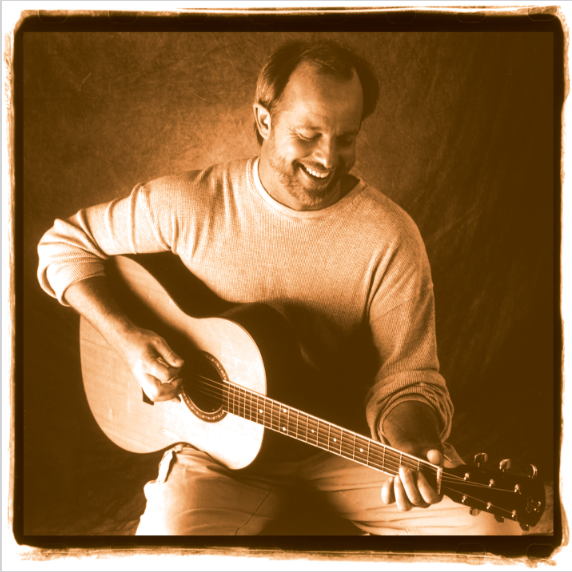
Episode 3: Mark Rust – Where Family Becomes Music
Jessica first heard Mark Rust play in a tiny college coffeehouse back in the 1980s — and even then, his music felt like it carried generations with it. Today, we’re thrilled to share our newest Shoeless Sounds episode featuring Mark, whose musical roots stretch from his grandmother’s nightclub “Swiss Trudy’s” to stages across the U.S., Canada, and Japan.
A multi‑instrumentalist, songwriter of around 200 songs, former Broadway performer, and lifelong storyteller, Mark brings a depth of history and heart you can feel in every note. Give this conversation a listen — it’s a beautiful journey through family, craft, and a life built around music.
He reminisces on his time with Pete Seeger and Peter, Paul & Mary. And listen for snippets of his mesmerizing hammered dulcimer tunes.
Check out his website at Mark Rust multi-Instrumentalist
See images of RPI’s coffeehouse lineups in the 80s here
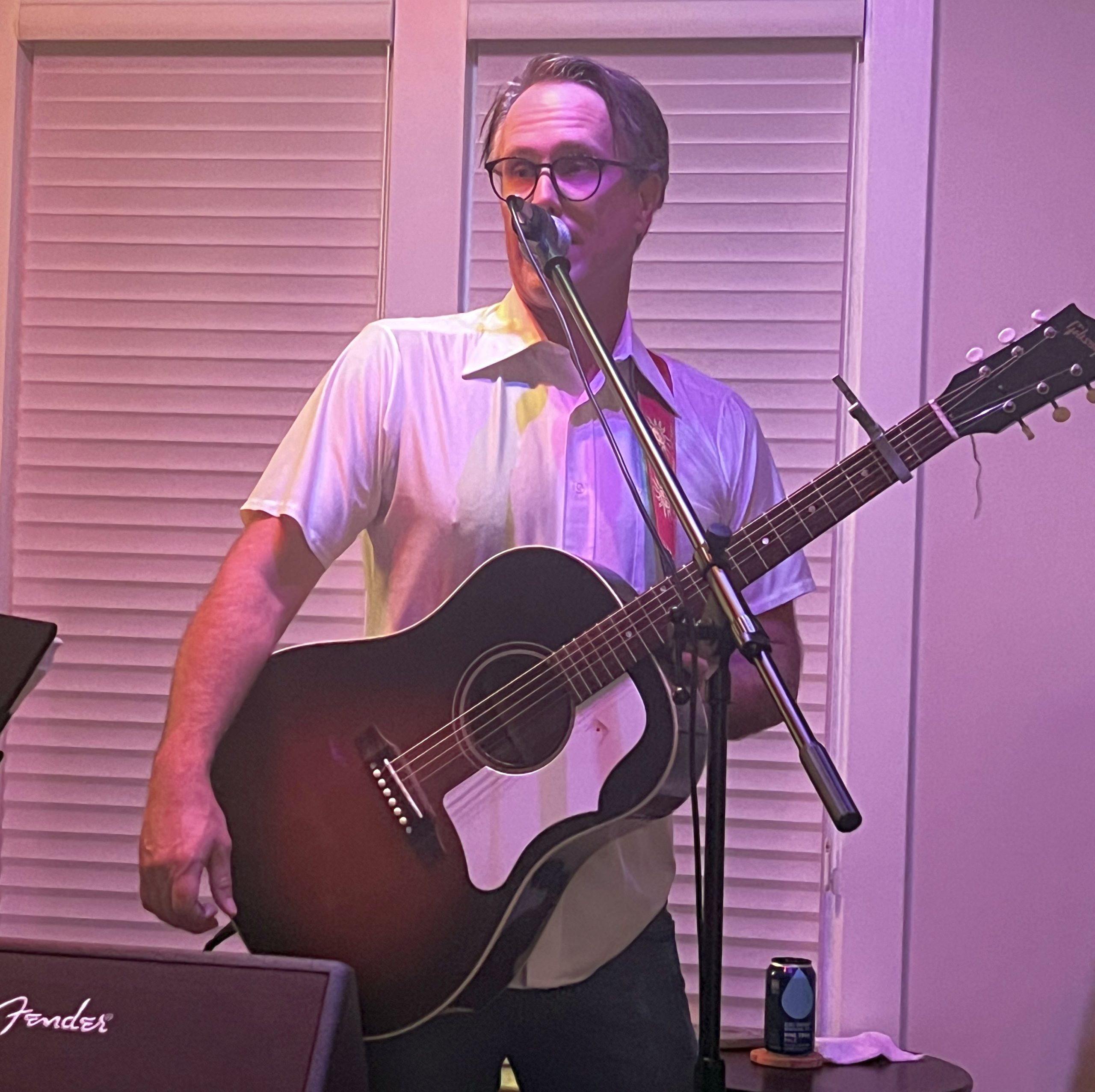
Episode 2: Jeremy Facknitz – Don’t Let Fear Hold You Back
When we started our house concert series, we wanted to get past small talk. This musician interview series installment features Jeremy Facknitz for a musician guest conversation titled “Don’t Let Fear Hold You Back.” Jeremy has a rare gift for using humor to navigate difficult topics, pulling belly laughs from trying situations to create remarkably light, entertaining concerts. He believes letting fear stop you is “just dumb,” a perspective earned from facing profound loss and silencing nay-sayers. This episode delivers the heartfelt music conversations we aim for—blending live music interviews with real-world live music conversations about artistic grit. These musicians’ interviews and music artist conversations provide clarity for anyone who has ever doubted their own path.
Jeremy said something during our time together that really stuck with us: “What a stupid way to live, to let fear hold you back. It is just dumb.” It’s a blunt statement, but it comes from a place of hard-earned perspective. Jeremy has faced more than his share of darkness, including losing loved ones to suicide and dealing with years of people telling him a career in music was a pipe dream. Instead of folding, he used those experiences to fuel a career that is as rewarding as it is honest.
These are the kind of stories we love to tell—the ones that remind us why we do this. Our discussions aren’t about PR; they are about the reality of being an artist. We hope you’ll join us as we sit down with Jeremy and learn what it actually looks like to choose courage over fear.
In this episode, we talk about:
The “Dumbness” of Fear: Why Jeremy stopped letting “what ifs” run his life.
Finding Resilience: Processing grief and loss through the lens of creative work.
The Power of Humor: How Jeremy uses laughter to bridge the gap between heavy lyrics and an entertaining show.
Proving Doubters Wrong: How he ignored the skeptics to build a sustainable, successful life in music.
Connect with Jeremy Facknitz on his website!
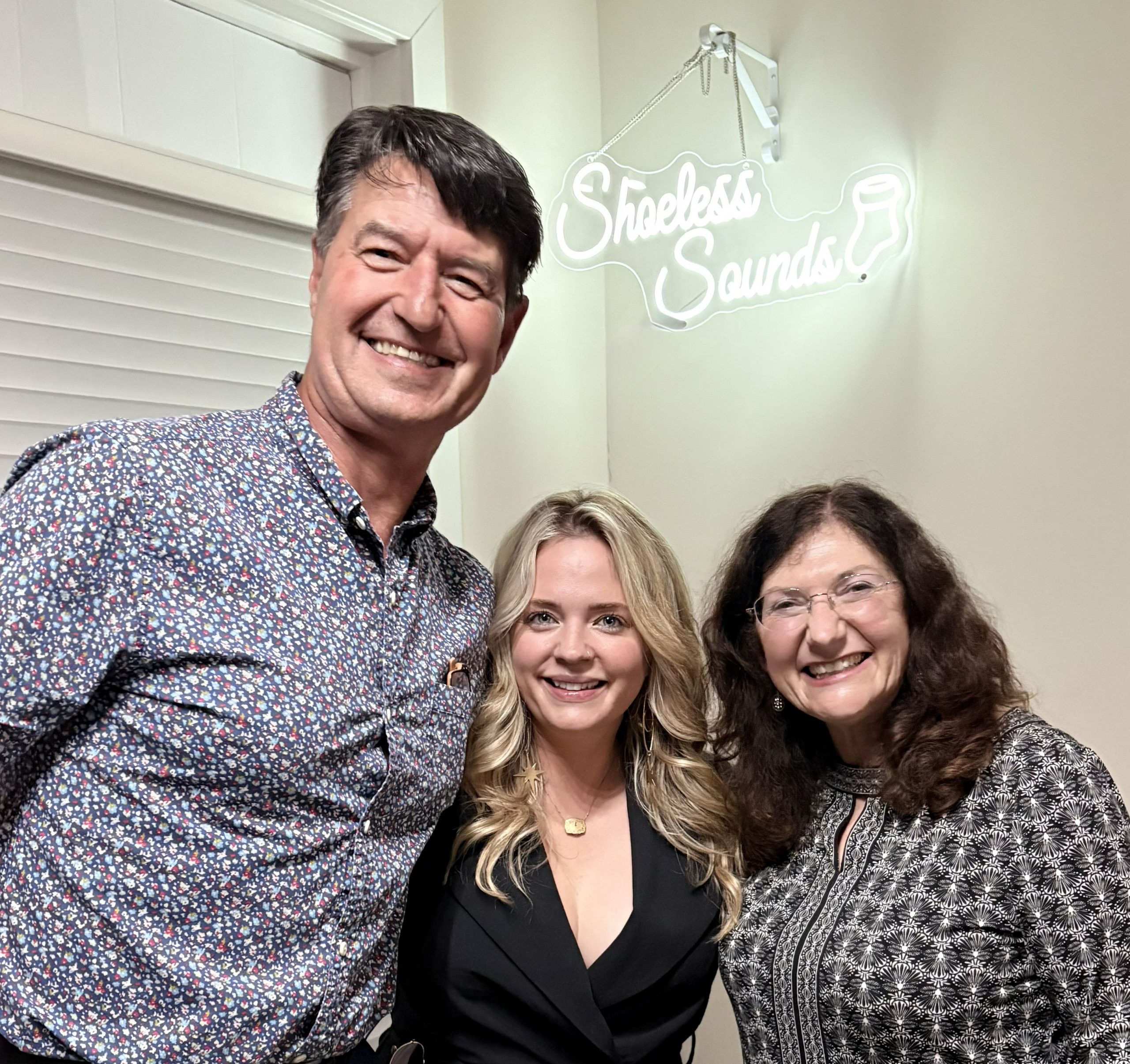
Carrie Welling: Grit, Heart, and the Stories Behind the Songs
Get ready for an intimate session with the luminous and gifted Carrie Welling, whose voice masterfully blends the grit of Sheryl Crow, the heart of Stevie Nicks, and the twang of Natalie Maines. Singer‑songwriter Carrie Welling joins us for a deep dive into her songwriting process, her evolution as an independent musician, and the raw, soulful energy that defines her sound. We talk about the stories behind her most powerful songs, the grit it takes to build a career in indie music, and the joy of connecting with listeners through honest, unfiltered performance. A must‑listen for fans of acoustic music, storytelling, and artist‑centered conversations. Join us for the conversation behind the craft—your seat is waiting.